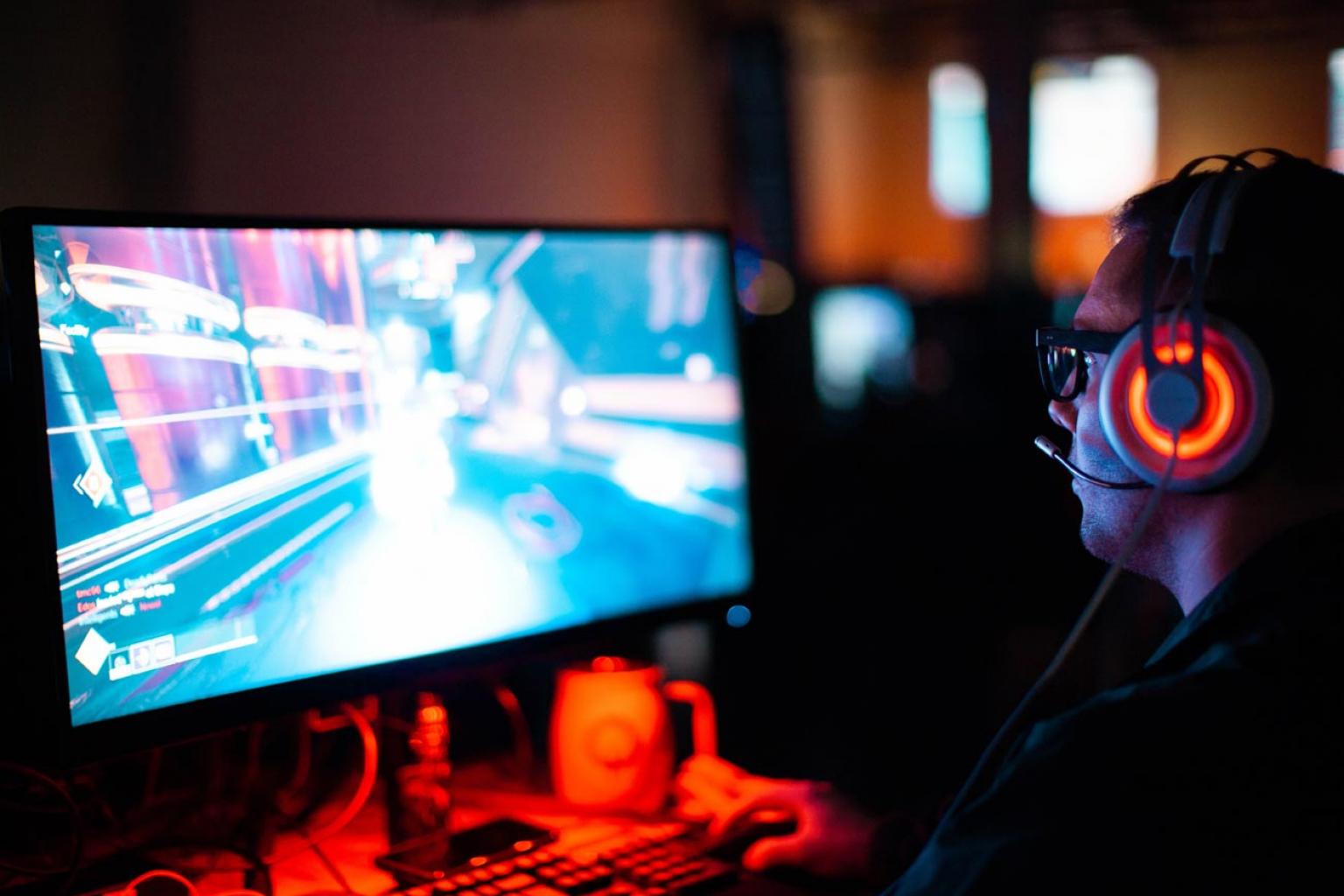
Recently, the terms "eSports" and "gaming" have been used more and more often. But what is exactly the difference? And is there any difference at all? Aren't they the same people or sportsmen as they are called – for me at first incomprehensibly - anyway? In order to understand the difference, you should first familiarize yourself with the definitions.
What is Gaming?
Simply put, gaming is the physical playing of video games. "But my mom also plays Candy Crush on her mobile phone. So… is she already a gamer?" - No, that's not the case. Gamers play a number of video games that you can play alone or in multiplayer mode. Important are elements of the competition and furthermore, they spend much more time with "gaming" than your mom is playing Candy Crush.
What is eSports?
eSports is derived from "Electronic Sports" and is also known as "professional gaming" or "competitive gaming". eSport is also named as "competitive playing of computer or video games in single or multiplayer mode". It all functions on certain online multiplayer video game platforms. The most important multiplayer games include DOTA 2, Call of Duty and League of Legends. In addition to the multiplayer mode, there are also single strategy games such as Hearthstone and Starcraft 2. Particularly worthy of mention is the high prize pool in eSports, which amounts to $1 million - $100 million – depending on the Event.
eSports players vs. gamers
The easiest way is to make a comparison with traditional sports. Nowadays everyone is able to grab a football and kick a little bit with friends. This is comparable to a gamer, who is sitting 2-3 hours a day in front of a PC playing video games. A professional football player spends a lot more time a day with training. Included here is not only team training but also athletic and strength training sessions and regeneration. So to say, for him, 2-3 hours a day would just be a warm-up. Thus, the eSports player differs also from the gamer. A professional eSports player spends 10-15 hours a day perfecting his craft.
In general terms, the differences between "gaming" and "eSports" are very small, but especially due to the target group they are important for the creation of marketing campaigns. eSports is always gaming, but gaming is not always eSports. Basically, the performances of eSports players should not be underestimated. eSport brings with it enormous mental demands in terms of hours of concentration and complicated hand-eye coordination. Some even say that many eSports athletes work and train harder and longer than athletes from traditional sports.
Today, eSports is already a market worth billion and promises strong developments in the coming years. For sponsors the eSports market has diverse appearances, some of them are even very similar to traditional sports. The difference is that eSports is not yet marketed the same way as for example football and is also an independent market. This means for sponsors that they can be better perceived and presented in a very pleasant light. In order to become active in eSports, companies have to invest in heights that are comparable to second and third division football.